
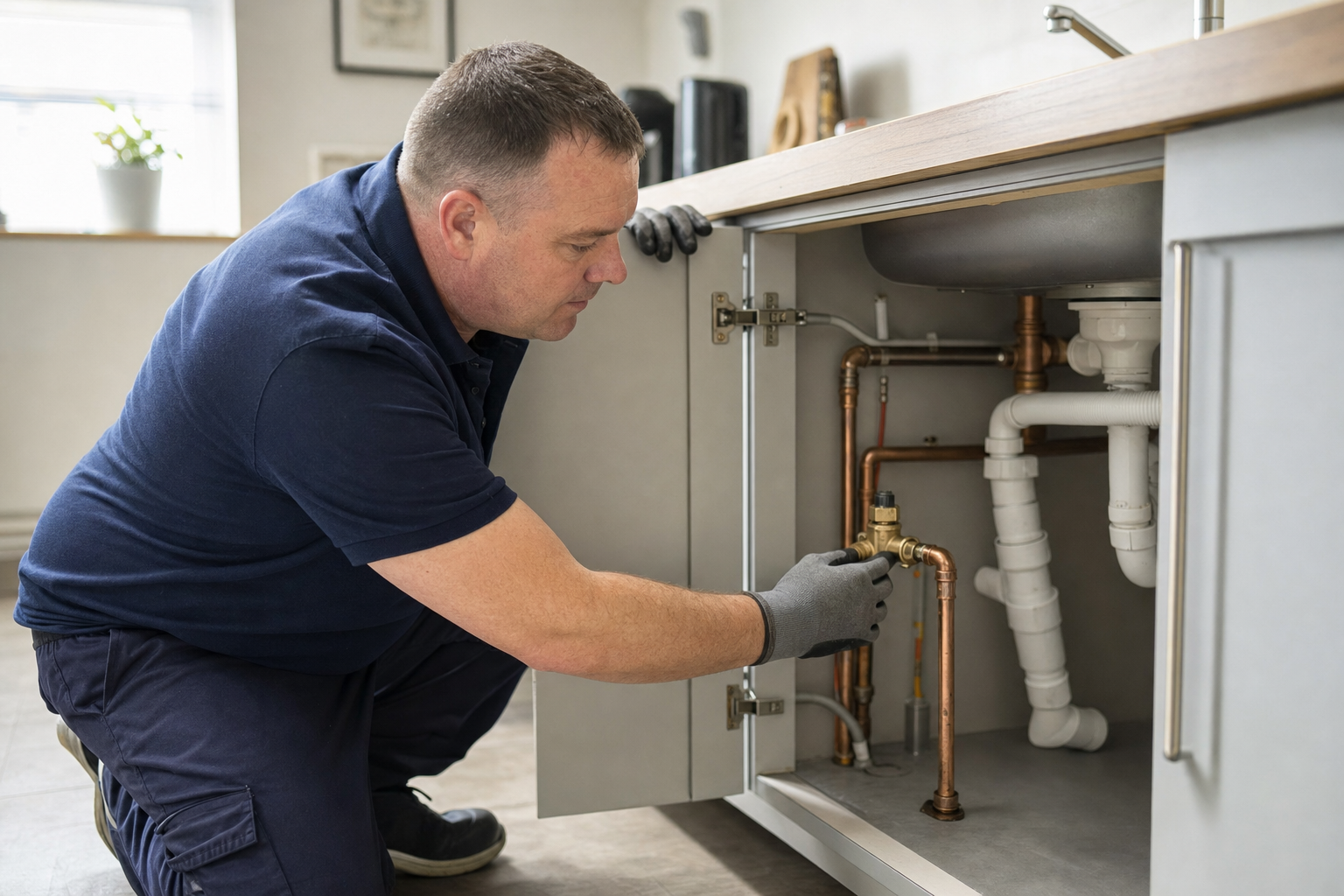
What you get when the job is urgent
Make-safe help first
We deal with the immediate risk first, so escaping water has less chance to spread.
Direct phone triage
Your call helps us judge urgency and tell you what to do before we arrive.
Clear repair next steps
If a full repair must follow later, we explain the reason and the next step.
When water is moving, speed matters
A plumbing emergency usually arrives with bad timing and far too much water. We deal with active leaks, burst pipes, overflowing fixtures and sudden plumbing failures that can soak floors, cupboards and ceilings if left to run. The first job is to find the source, stop or reduce the flow and make the affected part safe. When you call S O plumbing, it helps if you can say where the water is coming from, whether the stopcock has been turned off and how fast the leak is moving. Keep clear of water near electrics and use towels or containers to limit the spread while help is on the way.
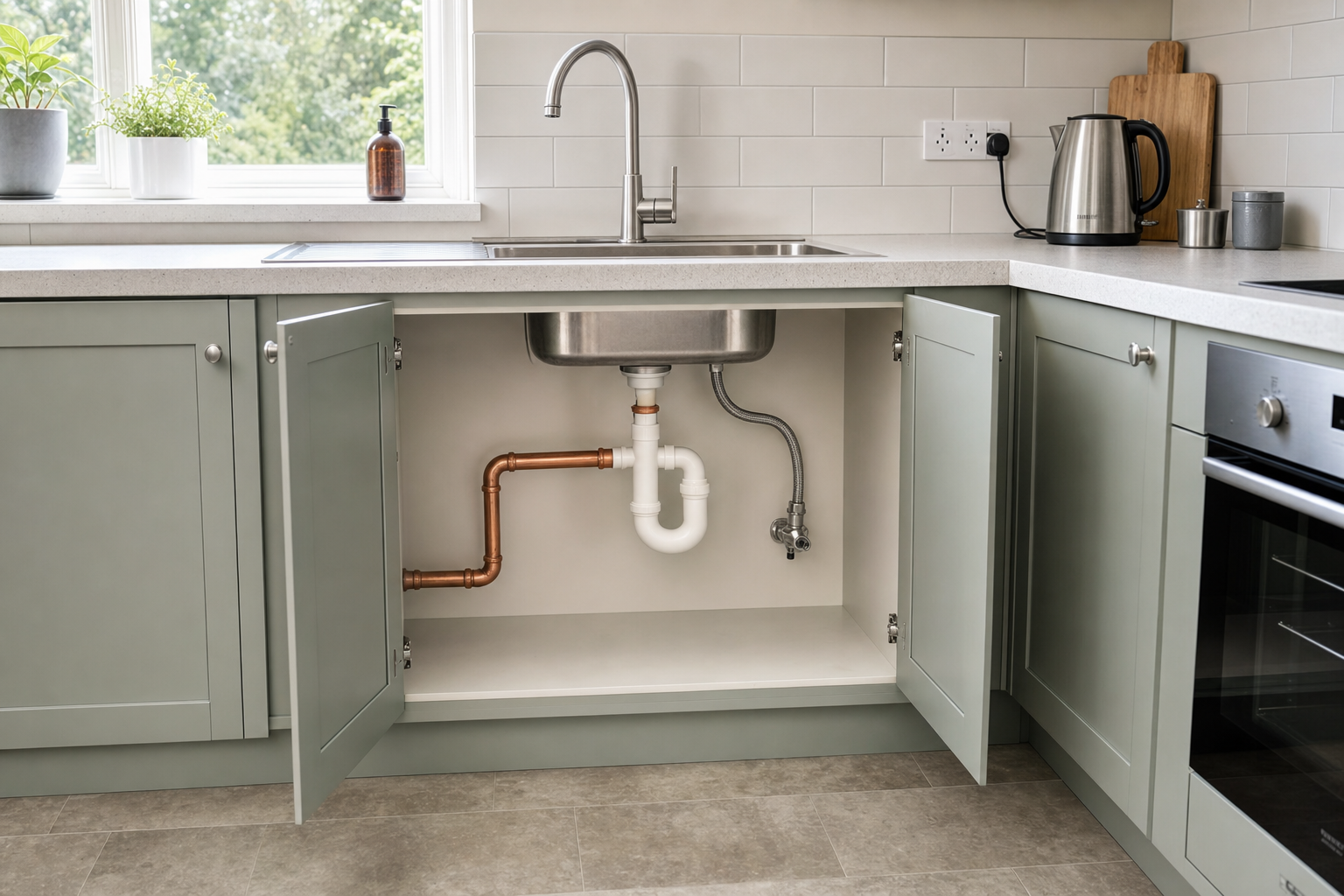

Make safe first, then repair properly
Not every emergency ends with the same repair on the spot, and it is better to be plain about that. Sometimes we can replace the failed part there and then. In other cases, the priority is a sound temporary fix that protects the property until a fuller repair or replacement can be carried out. Work from S O plumbing is explained clearly, so you know if the first visit is make-safe work, a complete repair or the start of a larger job. A quick phone call lets us judge urgency and tell you what information to have ready before we arrive.
Frequently asked questions
What should I do before you arrive?
Turn off the stopcock if you can reach it safely, open a cold tap to help relieve the system and move towels or buckets into place. Stay away from water near electrical fittings. When you call, tell us the address, the leak source and whether water is still flowing.
Can you fix the emergency on the first visit?
If the failed part is accessible and the surrounding pipework is sound, we may be able to complete the lasting repair on the first visit. If damage is wider or the area first needs making safe, we will explain that clearly and set out the next step rather than guess.
What information do you need when I call?
The most useful details are your full address, what is leaking or overflowing, whether the stopcock has been turned off and how severe the flow is. That gives us a much clearer picture of the risk to the property and what sort of first response is needed.