
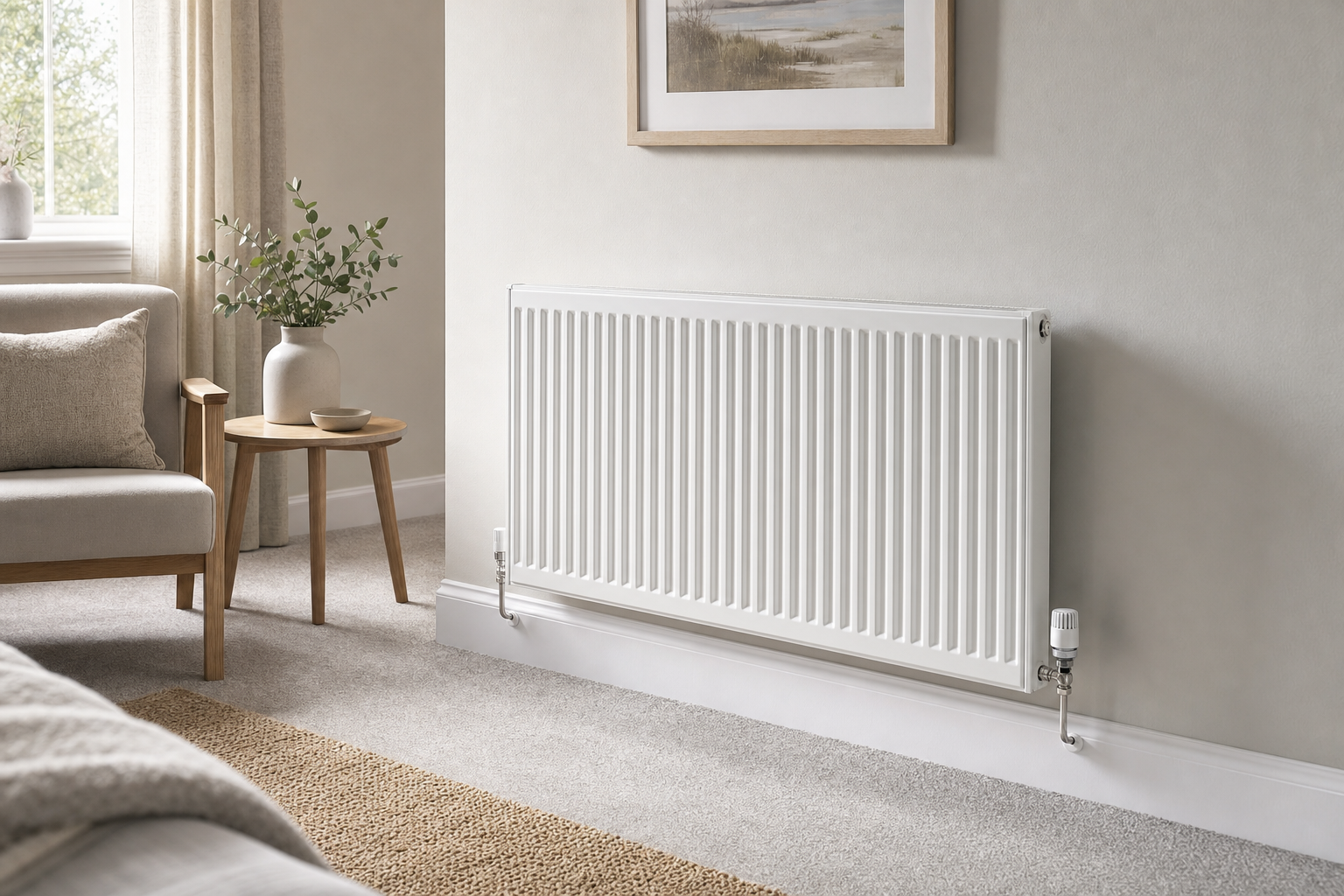
What good radiator work should include
Cold spots properly checked
We inspect the unit and valves before deciding if repair will do the job.
Valves and joints inspected
Visible connections are checked so the cause is not guessed from symptoms.
Replacement sized to fit
Dimensions and pipe centres are considered before a new unit is fitted.
Cold spots and leaks need proper checking
A radiator can misbehave in ways that are easy to notice and easy to misread. We deal with leaking valves, corroded panels, loose connections, cold sections and radiators that simply no longer heat as they should. To work out what is worth doing, we inspect the radiator body, valves, bleed point and visible connections rather than jumping straight to replacement. When S O plumbing checks the setup, we are looking for whether adjustment or component repair will put things right, or whether the unit itself has reached the stage where it is not worth asking for one more winter.
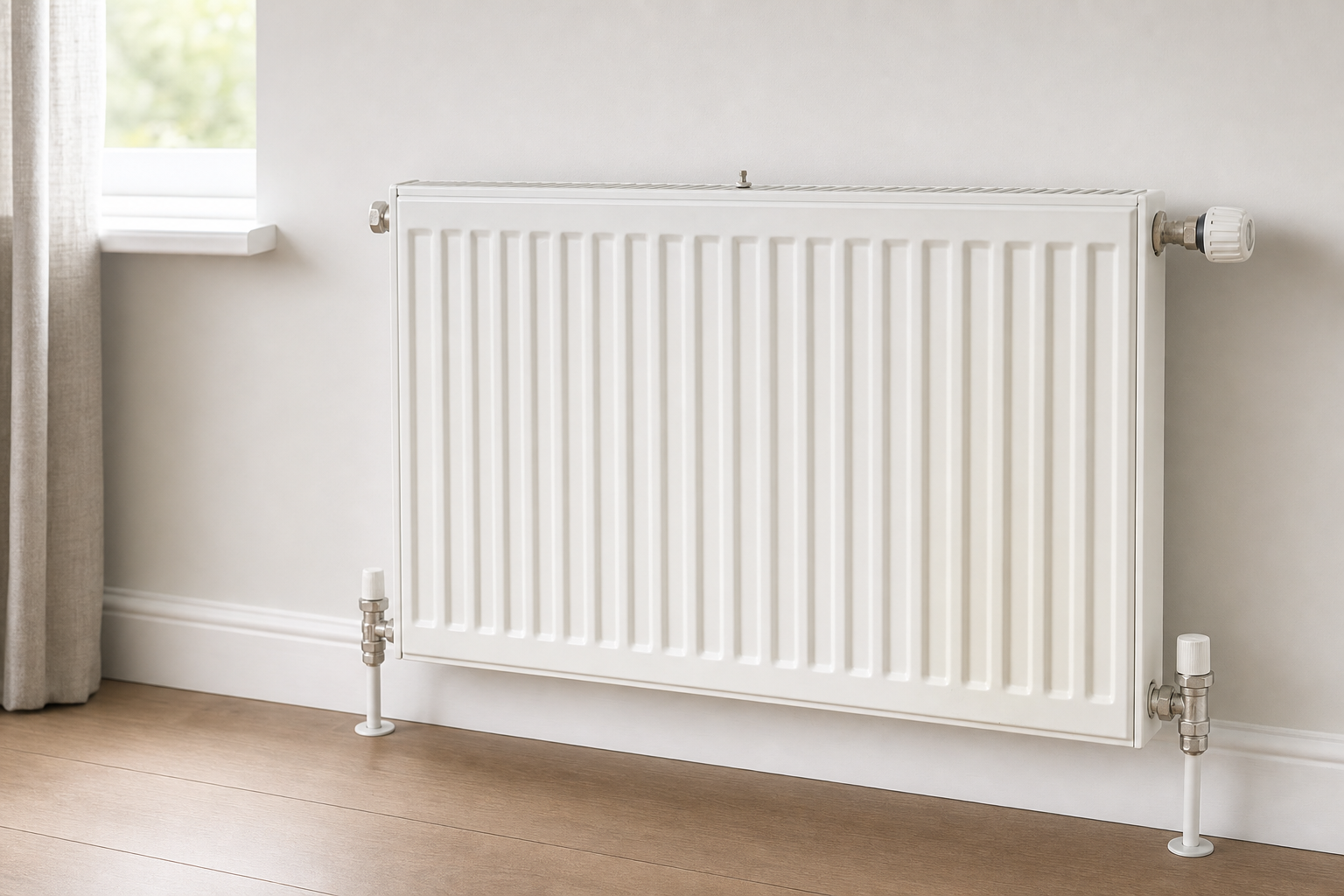
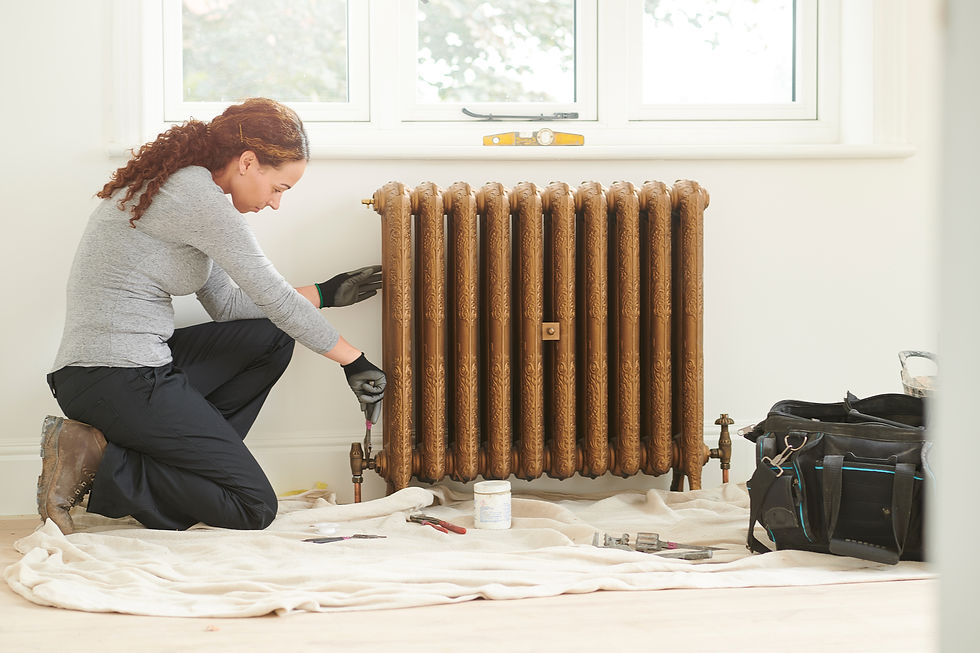
Replacement needs to fit the room and pipework
If replacement is the better route, we look at output, dimensions, pipe-centre positions, wall condition and valve compatibility before the new radiator is chosen. That helps avoid the all-too-common joy of discovering a radiator is almost the right size. Work from S O plumbing covers isolation, draining of the affected section, repair or fitting, refilling and checks for leaks and trapped air. Good sizing and connection planning matter just as much as the new unit itself if you want the finished radiator to fit the wall space and work properly within the system.
Frequently asked questions
Why is my radiator cold in places?
Cold sections can point to a few different issues, including faults with the radiator, valves or air within the affected part of the system. We inspect the unit and its visible fittings to narrow that down. The best answer depends on what has actually failed, not on the cold patch alone.
When is replacement better than repair?
Replacement is often worth considering when the radiator body is badly corroded, the unit no longer heats effectively, the dimensions no longer suit the room or repairs would leave you with an unreliable result. If a valve or fitting is the problem and the radiator itself is sound, repair may still be enough.
What is checked during radiator replacement?
We consider the new radiator's output, width, height, pipe-centre positions, wall condition and valve compatibility before fitting. During the job, the affected section is isolated and drained, the new or repaired setup is connected, then the system is refilled and checked for leaks and trapped air.